Housing Pet Rats

Tank
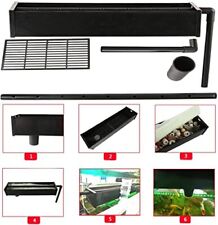
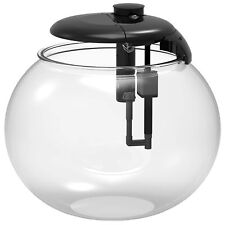
Tanks look nice when kept clean and are usually good for if you will keep your rats in the living room or other highly-visible room in your home. One disadvantage to using a tank is that they are heavy which can make them hard to clean. They do not have very good ventilation so they will need to be cleaned fairly often. If you choose to house your rats in a tank, allow at least 15-20 gallons per rat. Make sure the lid fits securely. Rats are very smart and have been known to find their way out through the lid. Screen lids work okay, but the coated wire kind tend to work better and are heavier making it harder for the rats to lift.
Wire Cage
Cages are nice because they have much better air circulation than tanks. Bare wire cages are not very pretty to look at (and raise health questions), but there are many coated wire cages on the market that resist rust and look nice. Choose a cage that sits in a plastic or metal pan so that you can put bedding in the bottom level, and get the biggest cage you can for your rats so they have plenty of space to move around and to play. Allow at least 2 cubic feet per rat and take into account individual levels. A tall cage with only the one level still isn’t much space.
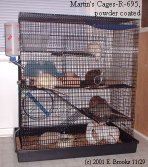
Some believe that rats kept in a cage with only bare wire floors can develop ulcerative pododermatitis, or as it is commonly known, "bumblefoot." If you want to cover the wire floors, you can use linoleum-type tile, plastic needlepoint canvas, unprinted newspaper, etc. They may chew on the cover so expect to have to replace it periodically. If the floor tends to be cold, keep the cage off of the floor. Choose a spot that is out of direct sunlight and away from drafty windows and doors.
Homemade Cages
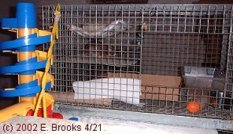
If you want, you can make your rat’s home yourself. You could make it from hardware cloth and a kitty litter box, hardware cloth and a child’s wading pool, make a topper for a tank or even modify a bookshelf. Just be sure that whatever you make, it is easy to clean, spacious and safe for your rats. It’s not not really a cage if they can get out of it.
Free Range Rats
You can let your rats run free in the house or in their own room. If you choose to go this route, you’ll have to provide them with a litter box (females are much easier to litter train than males), and make very sure the room is rat-proofed. Rats do chew so check for exposed wires or anything that could hurt them. Also, be sure there is nothing in their area that you don’t want them to chew on like schoolwork, the sofa or Grandma’s antique rocking chair. If you are going to give them freedom, give them time to get to know you first. Teach them their names and to come when called. It won’t work out too well if they run and hide the first time you set them down. Getting them out could be very hard!
Bedding and Litter

Your rats will need bedding for keeping warm, digging/tunneling and just to keep their feet off the bare floor. There are many beddings and litters on the market. Do not use pine or cedar. The oils in these woods that control odor are dangerous for your rats. If you want to use wood shavings, use aspen. It is fairly inexpensive especially if you can pick up a big bag at the feed store. I like to use a pelleted product like Gentle Touch or Aspen Supreme for my wire cages. You might also choose a wood pulp product like Carefresh, but Carefresh can be dusty, and the pelleted products are hard. Try whatever you like and find out what your rats like. Do not use too much bedding as it could hold in odors and cause ammonia build-up. For aspen shavings or Carefresh, use about an inch. For pelleted litters, use about one to one and a half "layers."
Rats Just Gotta Have Fun
Once you have their home set up, give them a cozy place to hide in like a cardboard or plastic box. Your rats will be spending time out of the cage with you every day, but what do they do with the rest of their time (besides sleeping and eating)? They play! You could put a hammock in the cage, a rat wheel (be careful to get one that won’t snag their tails or feet), tubes to crawl in, maybe a ping pong ball. You could build a jungle gym for climbing or put ropes across the cage. The possibilities are almost endless, and you’ll find that your rats love variety. Use your imagination, but keep their safety in mind. You’ll learn very quickly what they like.